
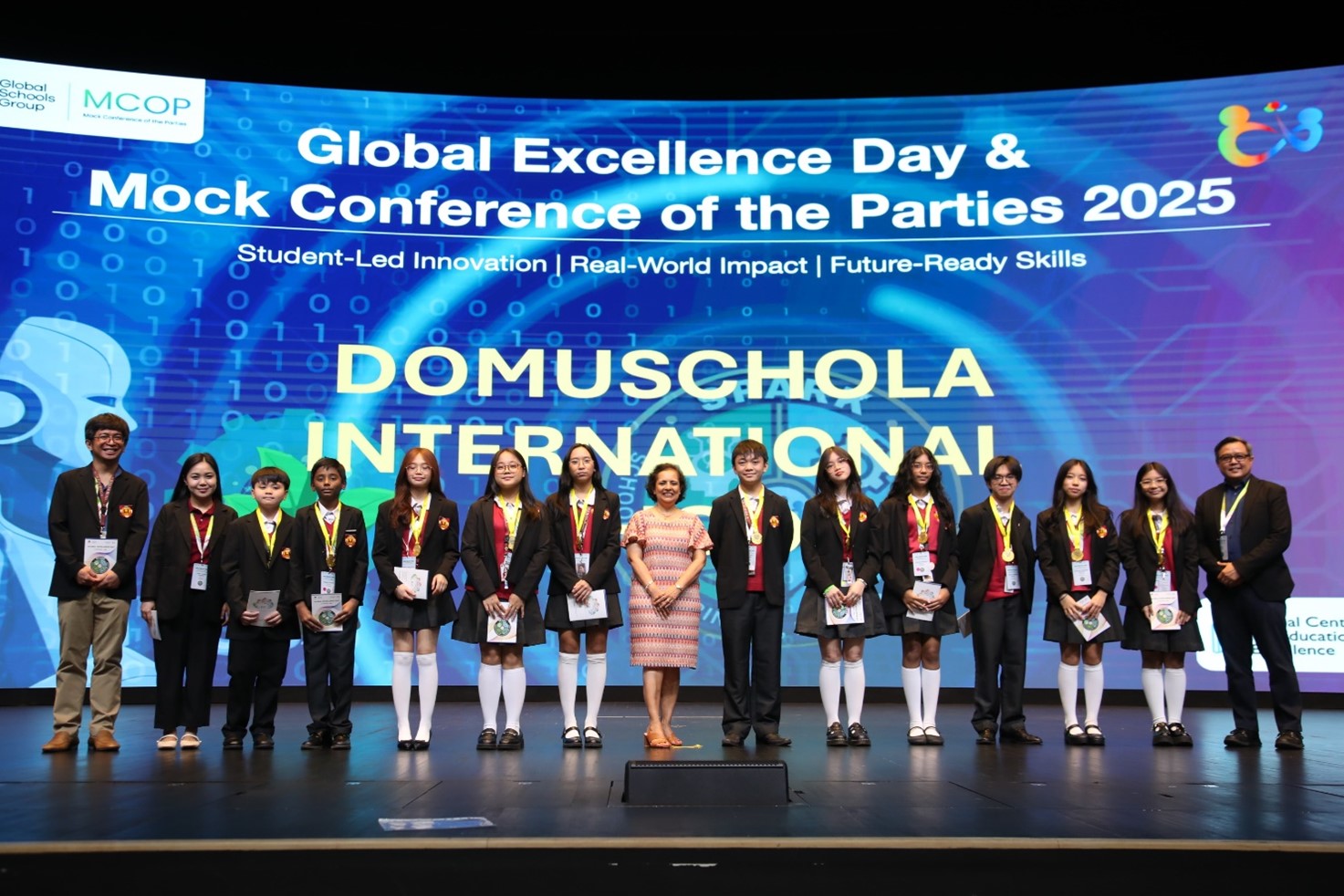
 What happens when youth get informed about the environment, become confident in their own capacity to act for nature, and become connected to a global community working toward shared conservation goals?
That’s what the Global Schools Group (GSG) aims to accomplish with its Mock Conference of the Parties (MCOP). Across two days of discussions, negotiations, and planning, the October 2025 GSG MCOP in Singapore left many students with a clearer sense of their own voice and role in climate action. The second edition of the GSG MCOP gave more than 150 students from five different countries the opportunity to step into the roles of country and organizational delegates, and gain firsthand experience in climate negotiations.
 This year’s theme, “Adapt. Value. Restore. Repeat.”, invited youth to tackle climate challenges and create meaningful solutions that protect the planet, our people, while ensuring every voice is heard. For many, the most valuable part of the experience wasn’t just the powerful sessions and panel discussion, but what they learned while working with peers from different countries, perspectives, and school communities during the mock COP.
Younger participants also came away with a stronger understanding of nature and climate impacts by participating in the MiniCOP. Here, younger students learned more about different habitats, animal adaptations, and the impacts of pollution. Several students shared that participating in the discussions gave them a new level of confidence, strengthened their leadership skills and reinforced their commitment to environmental action.
“The voices of young people play a crucial role in shaping the global climate conversation,” said Varun Ghodke from Singapore.
 Others described how external support made the work feel more purposeful. As Marcel Johannes Kraus from Malaysia, put it, being recognized by international partners “made everything more meaningful… and made us feel like we’ve contributed something to heal the Earth.”
For many students, the biggest takeaway came from the negotiation rooms.
“The most insightful part of MCOP 2025 for me was observing how collaboration and critical thinking came together in the committee,” said Janessa Mathai from Singapore.
During negotiations, delegates with differing views were able to find common ground and work together to develop collaborative environmental solutions.
For some older students, the MCOP helped shape their longer-term goals, motivating them to continue to stay engaged even after the event.
 “As I begin my new phase of studies at University, I want to focus more on the environmental relevance of my field so that I can one day contribute meaningfully and take part in a real COP,” said Ojiro Yahagi from Tokyo.
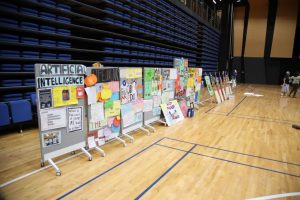
At MCOP, students don’t just learn—they leave with a unique, ready-to-launch Action Plan for real change. They collaborate in structured project tracks that keep the momentum alive long after the conference. Over the year, these student-led mini projects will take shape in their schools, directly contributing to the UN Decade of Ecosystem Restoration
This hands-on approach gives students a chance to create meaningful impact and connect with nature.
Anishka Kumar and Janessa Mathai, from Singapore, noted that, inspired by the Action Plan on Ecosystem Restoration, they are currently working on a school-wide initiative that integrates biodiversity restoration into campus life through student-led planting drives, community awareness campaigns, and collaboration with local conservation organisations.